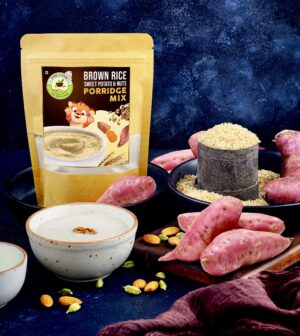
Choosing the right breakfast for children can sometimes be challenging. Kids are growing quickly and need a variety of nutrients as part of a balanced diet. A warm bowl of porridge can be a simple and convenient breakfast option, especially when it is prepared with a thoughtful combination of grains, pulses, nuts, seeds, and other traditional ingredients.
A healthy porridge mix for kids can make breakfast preparation easier for busy parents while introducing children to different traditional foods. However, not every ready-made porridge mix is the same. Checking the ingredients, sugar content, texture, and preparation method can help parents make a better choice.
Farm M2 Home focuses on traditional food products that can fit into modern family routines. Here is a guide to the ingredients you can look for when choosing a porridge mix for children.
What Is a Porridge Mix?
A porridge mix is generally a combination of grains, cereals, pulses, nuts, seeds, or other food ingredients that are processed into a powder. The powder can then be cooked with water, milk, or another suitable liquid to create a soft porridge.
Depending on the recipe, porridge mixes may contain ingredients such as rice, millets, traditional rice varieties, wheat, pulses, nuts, seeds, or spices.
For children, the most suitable ingredients will depend on their age, dietary needs, allergies, and family food practices.
1. Look for Whole Grains and Traditional Grains
Grains can form the base of a porridge mix. Rice, oats, millets, and traditional rice varieties are examples of grains that can be used in different porridge recipes.
Different grains provide different nutritional profiles and textures. Including a variety of grains in a child’s overall diet can make meals more interesting while providing carbohydrates for energy.
If the product contains traditional rice varieties, check the ingredient list to understand exactly which varieties are included.
2. Pulses Can Add Variety
Pulses such as green gram, roasted gram, chickpeas, or other legumes may be included in some traditional porridge mixes.
Pulses are commonly valued as sources of plant-based protein and other nutrients. When combined with grains, they can contribute to a more varied meal.
Parents should always introduce new ingredients according to their child’s age and individual tolerance.
3. Nuts and Seeds
Some porridge mixes include ingredients such as almonds, cashews, sesame seeds, flaxseeds, or other seeds.
Nuts and seeds can contribute protein, fats, minerals, and other nutrients. However, they are also common allergens.
For young children, parents should follow age-appropriate feeding guidance and introduce allergenic foods carefully. If a child has a known allergy, always check the product’s ingredient and allergen information before serving.
4. Check the Added Sugar
One of the most important things to check when choosing a healthy porridge mix for kids is the sugar content.
Children can become accustomed to very sweet foods, so parents may prefer products with little or no added sugar, depending on the child’s age and dietary requirements.
Always read the nutrition panel and ingredient list rather than relying only on words such as “healthy” or “natural” on the front of the package.
For younger children, avoid adding unnecessary sugar to meals.
5. Look at the Ingredient List
A simple ingredient list can make it easier to understand what you are giving your child.
Before buying a porridge mix, check:
- Main grain or cereal
- Pulses
- Nuts and seeds
- Added sugar
- Salt
- Spices
- Preservatives, if any
- Allergen information
Ingredients are generally listed in descending order by quantity, so reading the complete list is useful.
6. Choose a Suitable Texture
Texture is especially important for children. Younger children may need softer, smoother foods, while older children can gradually handle thicker or more textured preparations.
A porridge mix should be prepared according to the manufacturer’s instructions and adjusted appropriately for the child’s age.
Always ensure that the finished food is at a safe temperature before serving.
7. Traditional Ingredients Can Add Variety
Traditional Indian food culture offers many ingredients that can be used in porridges. Traditional rice varieties, millets, pulses, nuts, and seeds have been part of regional diets for generations.
A traditional-style porridge mix can therefore be an easy way for families to introduce familiar ingredients into modern breakfast routines.
Farm M2 Home offers traditional food choices designed to make preparation more convenient for today’s households.
Easy Ways to Serve Porridge
Once the porridge mix is prepared, parents can vary the serving style according to the child’s preferences.
For a simple savory preparation, cook the mix with water and add suitable ingredients according to age and family preference.
For older children, fruit such as banana or apple can be incorporated into suitable porridge recipes. Nuts or seeds can also be added when age-appropriate and safe.
The important point is to maintain variety rather than depending on one food every day.
Why Choose a Balanced Porridge Mix?
A well-formulated porridge mix can be convenient because several ingredients may be combined in one product. It can also save preparation time for parents who have busy morning schedules.
However, a porridge mix should be considered one part of a child’s overall diet. Children benefit from eating a variety of foods, including fruits, vegetables, grains, pulses, dairy or suitable alternatives, and other age-appropriate foods.
Choosing a healthy porridge mix for kids is not simply about selecting a product with a healthy-sounding name. Parents should look carefully at the ingredient list, nutrition information, added sugar, allergens, and suitability for the child’s age.
A mix containing grains, traditional rice varieties, pulses, nuts, or seeds can provide variety when used appropriately as part of a balanced diet.
Farm M2 Home brings traditional food ingredients into modern kitchens, helping families explore convenient ways to include familiar foods in everyday meals. With the right ingredients and age-appropriate preparation, a warm bowl of porridge can become a simple and enjoyable part of a child’s breakfast routine.