Ceylon Cinnamon Powder: What It Is and Why It Tastes Different
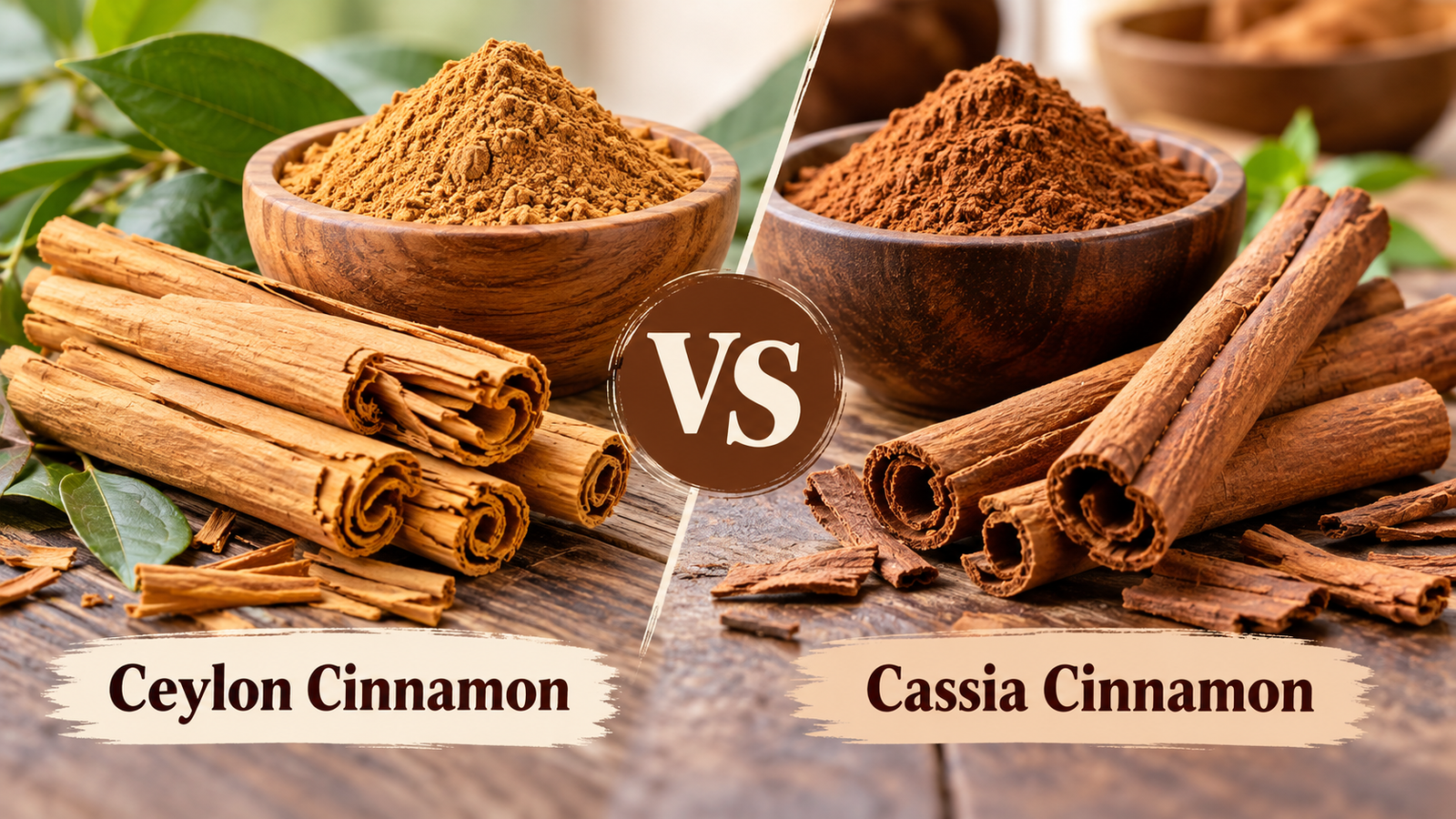
Ceylon cinnamon powder is ground from the inner bark of Cinnamomum verum, the species known as true cinnamon. It is a lighter tan colour than common cassia cinnamon, softer in texture, and much milder on the tongue, with a sweet floral aroma instead of a sharp woody bite.
Most of what Indian kitchens call dalchini or pattai is actually cassia, a related but separate species. That one is dark reddish brown, thick, and hard enough to need a heavy mortar. Ceylon cinnamon is the thin papery quill that rolls up like a cigar and crumbles between your fingers. Once you taste both side by side, you stop using them interchangeably.
This article explains the botanical and culinary difference plainly, then gets practical: how much to use, which Indian dishes suit which type, how the powder behaves in baking versus in a biryani, and how to store it so the aroma lasts. If you want to try the real thing, Farm2Home stocks Ceylon cinnamon powder in a 50g pack at Rs 183.75 and delivers across India.
True Cinnamon Versus Cassia: The Botanical Difference
Cinnamon is not one plant. Cinnamomum verum, native to Sri Lanka and grown along the Kerala and Tamil Nadu coast, is the species botanists call true cinnamon. Cassia comes mainly from Cinnamomum cassia and Cinnamomum burmannii, grown in China, Vietnam and Indonesia. They sit in the same genus but they are different trees with different bark.
The bark is harvested differently too. For Ceylon, the outer bark is scraped away and only the thin inner layer is peeled off, dried, and rolled into fragile multi-layered quills. Cassia is taken as thicker slabs of bark that curl into a single hard tube. That processing difference is why Ceylon quills look like compressed paper and cassia looks like a piece of tree.
Ground into powder, the difference shows up as colour first. Ceylon cinnamon powder is a pale to medium tan, closer to the shade of ground ginger. Cassia powder is noticeably darker, reddish brown, sometimes almost brick coloured. Put a spoon of each on a white plate and you will not confuse them again.
How Each One Tastes
Cassia is assertive. It leads with a hot, woody, slightly bitter edge and it carries a long way through a dish, which is exactly why it works in heavy masalas. Ceylon is gentler and sweeter, with a citrus and floral top note and almost none of that peppery sting at the back of the throat.
Neither is better in the abstract. They are built for different jobs. A cinnamon rice pudding where the spice should taste like perfume wants Ceylon. A mutton curry simmering for an hour with twenty other spices usually wants cassia, because Ceylon would simply get buried.
Indian Names: Pattai, Lavanga Pattai, Dalchini
Regional naming is where most of the confusion starts. In Tamil the bark is pattai, and you will also hear lavanga pattai or ilavanga pattai, which literally points at the clove-like aroma of the bark. In Hindi, Urdu and Punjabi it is dalchini. Malayalam uses karuvapatta, Telugu dalchina chekka, Kannada dalchinni chakke, Bengali daruchini.
None of these names distinguish the species. A shop selling you pattai or dalchini is almost always selling cassia, because cassia is cheaper and more widely traded. If you want Cinnamomum verum you have to ask for it by the words Ceylon or true cinnamon, and ideally look at the colour before you buy.
Sri Lankan grading terms sometimes appear on packs: Alba, C5 Special, H1 and so on. These refer to quill thickness and appearance, not to flavour quality in any meaningful way for home cooking. For powder, grading matters even less than it does for sticks.
How Much Ceylon Cinnamon Powder to Use
Because Ceylon is milder, straight one-to-one substitution for cassia often tastes thin. As a starting point, use about one and a half times the quantity a recipe written for ordinary cinnamon asks for, then taste and adjust. For a cake calling for one teaspoon of cinnamon, one and a half teaspoons of Ceylon powder lands in the right place.
Powder also loses aroma faster than whole bark, and it loses it fastest when heated for a long time. Add it late where you can. In a slow curry, stir it in during the last five minutes rather than blooming it in oil at the start, which is the correct move for cassia sticks but wasteful for fine Ceylon powder.
- Chai for two cups: a quarter teaspoon, added with the tea leaves.
- Payasam or kheer for four: half a teaspoon, stirred in after the milk thickens.
- A 500g batch of cake batter: one to one and a half teaspoons.
- Fruit salad, banana or sliced apple: a light dusting, about an eighth of a teaspoon.
- Coffee or filter coffee decoction: a pinch in the grounds before brewing.
Ceylon Cinnamon Powder in Baking Versus in Biryani
Baking is where Ceylon earns its price. In a sponge, a banana bread, cinnamon rolls, shortbread or an apple crumble, the sugar and butter give the floral side of the spice room to show. Cassia in the same bake tends to flatten into a generic brown spice note and can turn slightly bitter at the edges where the crust catches.
The powder also disperses evenly through dry flour, so you get consistent flavour rather than hot pockets. Sift it with the flour and baking powder instead of adding it to the wet mix, where it tends to clump.
Biryani and garam masala are a different story. Those blends are built on a backbone of strong whole spices, and a long dum cooking time. Ceylon powder added at the start of a biryani largely disappears. If you want to use it there, fold a quarter teaspoon into the yoghurt marinade, or sprinkle it over the rice layer just before sealing the pot so it stays close to the surface where you will actually taste it.
Other Indian Uses That Suit the Milder Profile
Sweet dishes and milk-based preparations are the natural home. Semiya payasam, sheera, badam milk, and a cinnamon-laced sabudana kheer all work well. It is also good in sweet and sour pickles and in fruit preserves, where the citrus note plays against vinegar and jaggery.
For savoury cooking, think lighter preparations: a vegetable pulao, a Kerala-style stew, a tomato rasam finished with a pinch, or a dry potato roast. In kebab and tikka marinades a small quantity rounds out the garam masala without adding heat.
Buying and Storing It Properly
Judge powder on three things: colour, smell and texture. It should be tan rather than dark brown, smell sweet and slightly citrusy the moment you open the pack, and feel fine and dry without lumps. A dull, flat smell means it has been sitting ground for too long.
Buy small quantities and finish them. A 50g pack is sensible for a household, which is why Farm2Home sells true cinnamon powder in a 50g size rather than a half-kilo bag that will go flat before you reach the bottom.
Store it in an airtight glass or steel container, away from the stove and out of sunlight. Heat and humidity are the enemies, and in Indian monsoon conditions a loosely closed plastic pouch will cake within weeks. Never shake the powder directly over a steaming pan, since the rising moisture gets into the container.
Frequently Asked Questions
Is Ceylon cinnamon the same as dalchini or pattai?
Not usually. Dalchini in Hindi and pattai or lavanga pattai in Tamil are generic names for cinnamon bark, and in most Indian shops the bark sold under those names is cassia, a different species. Ceylon cinnamon is Cinnamomum verum, true cinnamon, and it has to be asked for specifically by that name.
How do I tell Ceylon cinnamon powder from cassia powder at home?
Look at the colour and smell it. Ceylon powder is pale tan, close to ground ginger in shade, and smells sweet with a light citrus note. Cassia powder is dark reddish brown and smells sharper and woodier, with a hot bite if you taste a little on your tongue.
Can I use Ceylon cinnamon powder instead of cinnamon sticks?
Yes, with adjustments. Roughly half a teaspoon of powder stands in for a one-inch piece of bark. Add the powder near the end of cooking rather than at the start, because fine powder gives up its aroma quickly and long simmering wastes it.
Why is Ceylon cinnamon powder more expensive than regular cinnamon?
Harvesting is manual and slow. Only the thin inner bark is used, the outer layer has to be scraped off by hand, and the yield per tree is small compared with cassia, which is taken as thick slabs. Farm2Home prices a 50g pack at Rs 183.75.
Which dishes should I not use Ceylon cinnamon powder in?
Avoid it as the main cinnamon in long-cooked heavy masalas such as a slow mutton curry or a traditional garam masala base, where its mild flavour gets lost under the stronger spices. Cassia bark handles those better. Keep Ceylon for bakes, milk sweets, chai, pulao and pickles.
How long does Ceylon cinnamon powder stay good?
Kept airtight, dry and away from heat, the aroma holds well for about six to twelve months. It does not spoil after that, but it fades and you will need more of it for the same effect. Buying a 50g pack rather than a bulk bag keeps it fresh in practice.
Ordering From Farm2Home
Farm2Home sources spices directly and packs in small quantities so the powder reaches you with the aroma intact. You can order Ceylon cinnamon powder online along with the rest of your kitchen staples, with delivery across India.
If you have only cooked with cassia so far, start with one bake and one chai. The difference in the cup and in the crumb is obvious enough that you will know within a day whether true cinnamon has a permanent place in your spice box.